


Read time: 5 minutes 30 seconds
I’m a recovering snob. I was a chronic douche.
When you study art history, you train to be one. No one tells you this in advance, of course. But it happens; you spend years contemplating art that wealthy white people have decided is worth teaching and discussing1. You learn how to play 5-dimensional chess in aesthetics and meaning.
Whether you critique a work positively or negatively doesn’t matter. You’re paying a lot of attention to it, which gives it — and the system that benefits from it — power.
Many pockets of the art world are inherently elitist. This piece of art is better than that one. You are graded and judged based on how perceptive you are, how “good” your taste is (though no one says it to your face, because that’s in poor taste), how well you can make a case for your opinions.2
A certain idea begins to worm its way into your consciousness: Some people have good taste. Other people have bad taste.
Bullshit. Have you seen Ratatouille? The main idea is “Anyone can cook”. It’s democratizing and empowering. So:
Anyone can see beauty, so everyone has their own taste.
A more productive question would be, “Do you consider your taste to be less developed than you’d like, or highly developed over time?”
What is bad about having “highly-developed taste”?
It’s easy to move to Snob City and become a long-time resident.
People don’t feel safe to express their preferences and ideas to you.
It’s easy to kill your curiosity because you’re convinced you “have great taste”, as if taste were an arrival point.
It’s easy to become a performative consumer: going to hyper-niche, “IYKYK” (in an elitist way) events just because you want to project an ideal or persona.
It’s easy to have financial problems by shopping beyond your means. It’s great you love beautiful things, but they run up a big tab.
It’s easy to look down on others, which is another way of saying you have become an aesthetic asshole (she said, wincing at her past actions).
What is good about having “highly-developed taste”?
If you let the beauty of the world hit you down into your bone marrow, it changes you.
You work hard to find the right words to describe what you like; that effort bears fruit. Because effective communication is everything, and a lot of the time we’re talking to each other about objects (stuff and things).
You build greater capacity for presence.
You really soak things in, like a sponge 🧽. You rain down clarified, refined, helpful thoughts on the world, like a shower head 🚿.
If you experience the world like this, you can influence others to do so. You might turn them into artists. We badly need this because artists are “deep see divers”.
As we’ve seen time and time again in the 2020s and beyond, shallow thinking can be highly dangerous.
You find your tribes more easily. Having cultivated your own taste, it’s easier to spot others who appreciate the same things. Game recognize game. Commence geeking out about the super specific things you love.
You know yourself really well (in terms of what draws you in).
You craft a point of view, maybe even a spiky one. This is good because a spiky POV stands out and gets people’s attention.
You develop massive critical thinking skills.
What’s bad about having “less developed taste”
Everyone has their own taste. I’m not sure “less developed taste” is valid.
I’m using that phrase to refer to people who want to know themselves better and further develop their taste in things (“I like X, I dislike Y, and here’s why.”)
That said, you don’t know yourself as well as you could!
It’s frustrating to have strong feelings about something, yet not be able to express why.
It is confusing to shop for everyday products. It can feel downright paralyzing to shop for high-stakes, expensive objects (e.g. furniture, appliances, international trips, cars, a home).
You miss out on really rich, vivid conversations with people about art, design, writing, film, music, architecture, society, politics, books, fashion, nature, plants, animals…
You go through life feeling fairly misunderstood.
You’re envious of others who just seem to know what they want.
What’s good about having “less developed taste”
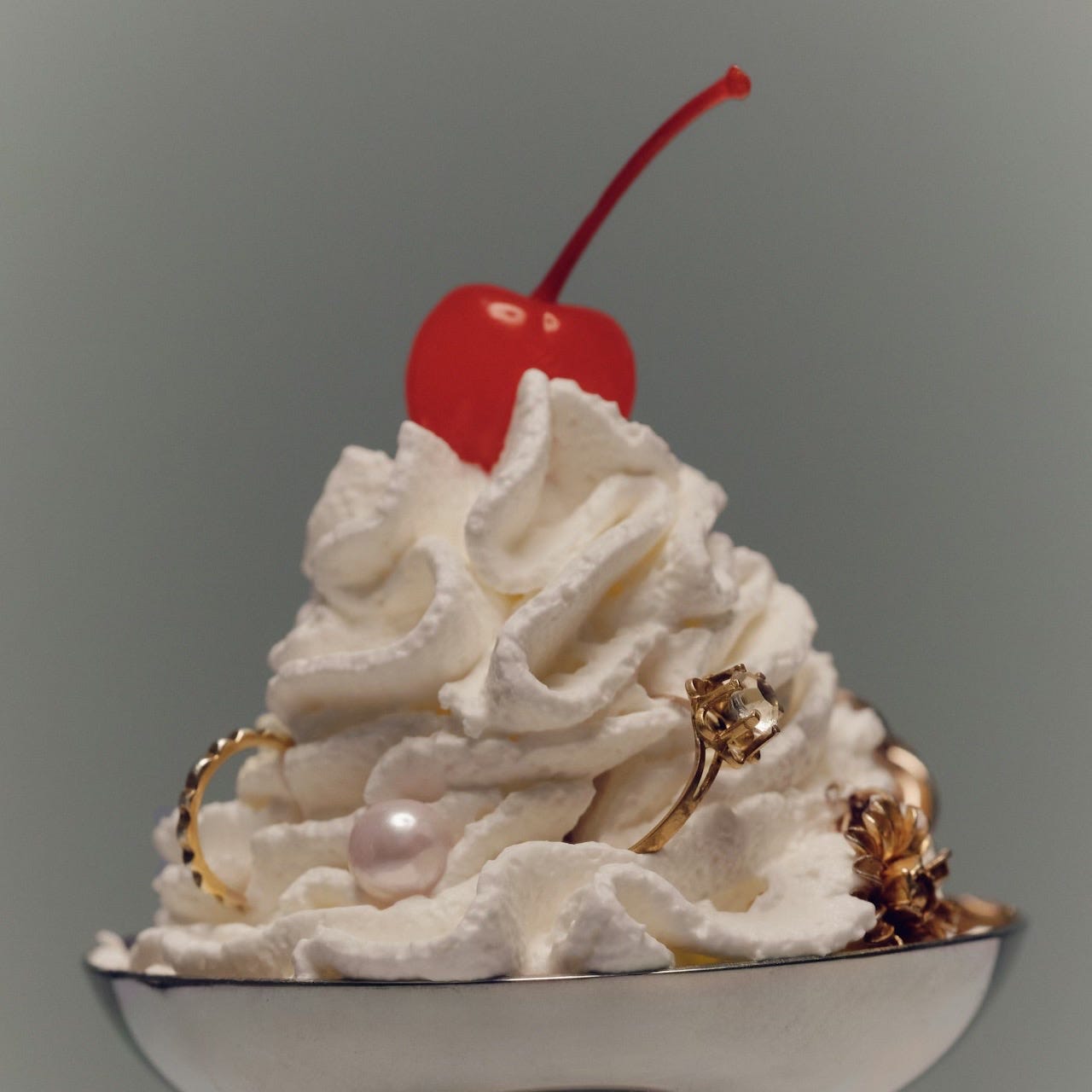
Every day, you wake up and behold a rich opportunity to learn what you think is gorgeous (and repulsive).
Beginner’s mind is a valued state in Buddhism3. Plus, expertise is overrated in the AI era.
You get to live like everything on Earth is your teacher. Which is the truth. Some who think highly of their taste forget this, and it gets them in trouble.
Aesthetics aren’t everything. You’ve probably spent a lot of time cultivating other strengths.
You might be more flexible and efficient in purchasing. You recognize that life is more than how things look and collecting exquisite design.
(people with highly-developed taste typically spend a lot of time vetting, analyzing, and expressing their icks and yums)
Let’s dismantle the toxic hierarchy of Taste
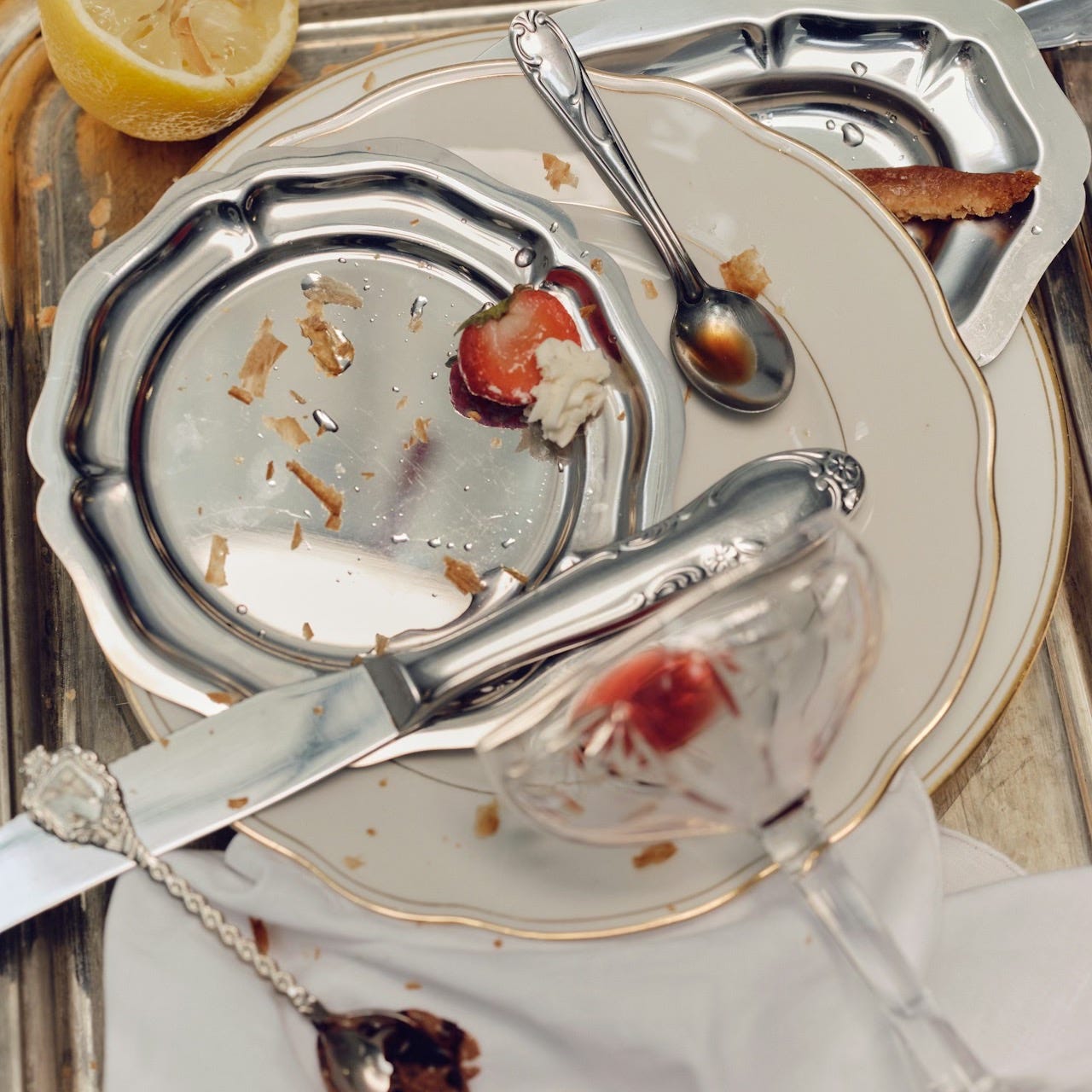
We must flatten out the “good-bad” hierarchy of taste. It’s an old, stubborn, harmful relic.
“Some people have good taste. Others have bad taste.”
It’s asshole-y bullshit. More importantly, it fuels some of the most harmful thinking in history — the binary or dichotomy:
Us vs. them
Good vs. bad
Rich vs. poor
Weak vs. powerful
and on and on it goes, straight-jacketing us and causing mass, indelible grief.
Second, it kills creativity. When people feel better than or less than others, it revs up the amygdala and other “shut down” mechanisms in the brain. You can’t think as broadly, nuanced, and intricately.
It is not innocent to say someone has good or bad taste. When you do, we pay into a hierarchy/structure built by people who possess a lot of power. They make a great deal of money from it.4
The next time you encounter snobbery from within or without, ask:
“Who benefits from snobbery? Who stands to gain money and power from my belief that some people are better than others?”
Please don’t yuck my yum, xo Kat
P.S. I’m doing a 100-Day Reel Challenge on Instagram. If you like, follow along as I dish out high-achieving Millennial creatives’ content. If you get something out of it, could you share with a friend or two? See you over on the app we’re all hopelessly addicted to! 🍟🧋🍿🍫
I’m talking about Western art history. Though it’s been slowly changing.
Or some mysterious third thing. Sharing that gets you serious seminar room cred.
If Buddhists place value on things. Which they do, of course.
By now, you may be thinking, “Her subheadings are written in binary hierarchy — the exact thing she’s encouraging us to destroy.” You’re right. Ironically, binary-hierarchical thinking is ALSO a very effective way to write subheadings. So uh, come do as a say, not as I do? Sigh.
Being raised by a family full of artists this resonates in the way I was shown to view the world.
Something I’ve noticed is that a majority of Gen-Z is breaking this taste aesthetic especially in social media with there pop art-esq messy aesthetic that breaks all the rules of what we are “supposed” to do with the online art.
Thanks for your words Kat!
I’m obsessed with the Ratatouille, “anyone can cook” analogy in here, I remember you talking about this one so excited to see it in print! And love your take on how developing taste can become a mind prison that keeps you from openly experiencing things as they are.